Test, One-Day or T20: Choosing a Match to Follow
Test, One-Day or T20 cricket each asks for a different kind of attention. Compare their time span and match shape to choose a viewing fit.

Choosing between Test, One-Day and T20 cricket often starts with a simple question: how much of the match can you actually watch? A Test can unfold across several days, a One-Day match occupies a long stretch, and T20 offers a compact contest. The formats differ in more than duration, though. Each gives the game a distinct rhythm, and knowing that rhythm helps you pick a match you’ll enjoy following.
Think of these as three different viewing commitments, not three versions of the same afternoon. Here’s what each asks of your attention, what kind of story it tends to create, and how to choose when your available time is uncertain.
1. What makes Test cricket a long-form watch?
A Test match is built to let a contest develop over several days. Each team can bat twice, so the result may depend on how well a side performs across separate innings, not just one burst of scoring. A lead can grow, shrink or become decisive as conditions and tactics change.
That structure gives a Test room for shifts in momentum. A team might defend carefully, then attack when the situation allows. Bowlers can work at a batter’s patience; batters can choose to preserve their wicket or press for runs. Even a quiet spell can matter because it changes the pressure, the score or the time available to reach a result.
The trade-off is that you do not need to watch every moment, but you do need to be comfortable returning to a story that is still unfolding. A day’s play has natural pauses, and you can follow a session or check in later. If you prefer a clear beginning and ending within one sitting, the format may feel like a substantial commitment.
Choose a Test when you enjoy gradual changes and want to see a match’s larger tactical picture emerge. It can suit a free afternoon, a weekend with flexible viewing, or someone who likes checking in between other plans. If you tune in for only a short spell, a score update can help you understand the situation before settling in.
2. Why does a One-Day match feel like a complete event?
A One-Day International, or ODI, gives each side one innings, with a set limit of overs. That means the match usually has a single main arc: one team sets a target, and the other tries to reach it. The result generally arrives within the day, so it offers a more bounded commitment than a Test.
The innings often change character as they progress. A side may begin by building a base, then take more risks as the remaining overs become a factor. The team chasing has a target to measure itself against, which makes the required pace visible: are runs coming quickly enough, and are enough batters still available?
ODI cricket can be a good fit if you want a substantial match with room for tactical shifts but prefer a same-day finish. It rewards attention to the changing balance between wickets, runs and overs. You can also follow one innings closely and use a break between innings to step away without losing the basic shape of the contest.
Expect a longer viewing session than T20. A One-Day match has more time for the innings to develop, and a close chase may keep its tension for a while. If you have a broad window but not several days, an ODI can offer a satisfying middle ground.
3. What does T20 ask of your attention?
T20 is the shortest of these three formats. Each side has one innings with a set limit of 20 overs, so the match is designed to reach its outcome in a compact span. Batters often look to score quickly, and bowlers must make each delivery count within a relatively brief contest.
The pace can make T20 easy to sample. A boundary, a wicket or a change in the required scoring rate can alter the feel of an innings quickly. There is less room to wait for a long buildup, so a spell of focused viewing can give you a clear sense of the contest’s direction.
That compactness does not mean every moment carries the same weight. A team may begin cautiously, or a chase may stay close until late. The format’s shape simply gives the teams less time to recover from a difficult passage, so attention tends to move quickly from one decision to the next.
Pick T20 if you have a limited viewing window or enjoy a lively contest with frequent changes in the score. It also works well when you are watching with friends who want a match that is easier to join partway through. A brief check of the score and current innings can help you catch up before the next stretch of play.
4. Which format suits your available time?
Instead of asking which format is best, start with the shape of your day. A Test suits flexible attention across multiple days. An ODI suits a longer, mostly same-day window. T20 suits a shorter session in which you want the result to take shape more quickly.
- You can return to the match later: A Test may suit you, since its story spans days and has natural pauses.
- You want a full contest in one day: An ODI gives you a single innings from each side and a clear target to follow.
- You have a shorter window: T20 offers the most compact structure of the three.
- You like watching a target develop: ODIs and T20 matches both create a chase after the first innings, with different amounts of time for the pursuit.
- You enjoy gradual tactical changes: A Test leaves more room for a contest to shift across separate innings and days.
Imagine you have a free evening but need to stop at a set time. If a T20 is on, you can follow much of its compact arc in one sitting. If the available match is an ODI, you might choose one innings or follow a stretch of the chase, knowing the match may continue after you leave. For a Test, you could watch a session and return another day, using the score to reconnect with the larger contest.
5. How should you choose if you’re new to cricket?
Try the format that matches your natural viewing habits. If you like a quick story with a clear finish, begin with T20. If you want to watch a target set and then chased over a longer span, choose an ODI. If you enjoy slow-burn contests and do not mind checking in over time, try a Test.
You do not have to understand every tactical choice to enjoy a match. Keep one simple question in mind: what is each team trying to do right now? In a Test, the answer may involve protecting wickets or building a lead. In a limited-overs match, it may involve balancing scoring pace with the wickets still available.
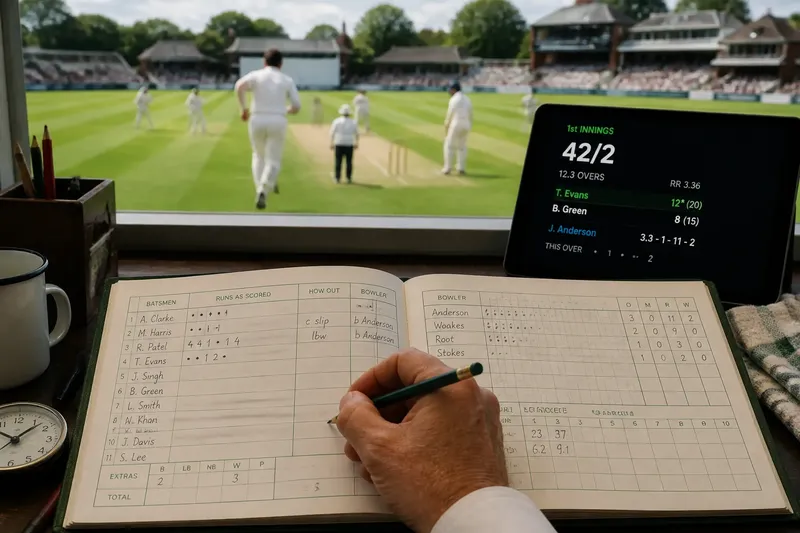
Watching with someone who knows cricket can help, but a scorecard or the broadcast’s on-screen summary can also orient you. Look for which team is batting, the target if there is one, and how the current situation is changing. Those details give you a foothold without requiring a ball-by-ball account.
What do viewers often ask before choosing a format?
Which cricket format is shortest?
T20 is the shortest of the three formats compared here, with each side limited to 20 overs in its innings. Its compact structure makes it a natural choice when you want to follow a match in a shorter session.
Does a Test match have to finish on the first day?
No. A Test is designed to unfold across several days, and it may finish before its scheduled final day or reach the end without a winner. That longer shape is part of what distinguishes it from a One-Day or T20 match.
Can I follow an ODI without watching the whole match?
Yes. You can watch one innings, a portion of the chase or a few stretches across the day. Checking the score and which side is batting will help you understand the match when you return.
Which format is easiest to join midway through?
T20 is often the simplest place to drop in because its innings are compact and the match moves toward a result in a shorter span. An ODI can also be easy to follow if you know the target and current score, while a Test may require a little more context from earlier play.
Choose the rhythm, not just the duration
Time is a useful starting point, but the feel of the contest matters too. Choose T20 for a compact burst, an ODI for a same-day story with room to build, or a Test for a gradual contest that can reward returning attention. If you are unsure, try whichever match is easiest to watch and notice what holds your interest: quick changes, a developing chase or a longer tactical struggle. That preference is a better guide to your next match than a rule about which format a new viewer should start with.