Why an Over Is Built from Six Legal Balls
Why an over is built from six legal balls: learn what counts, how wides and no-balls affect the score and ball count, and how to follow an over.
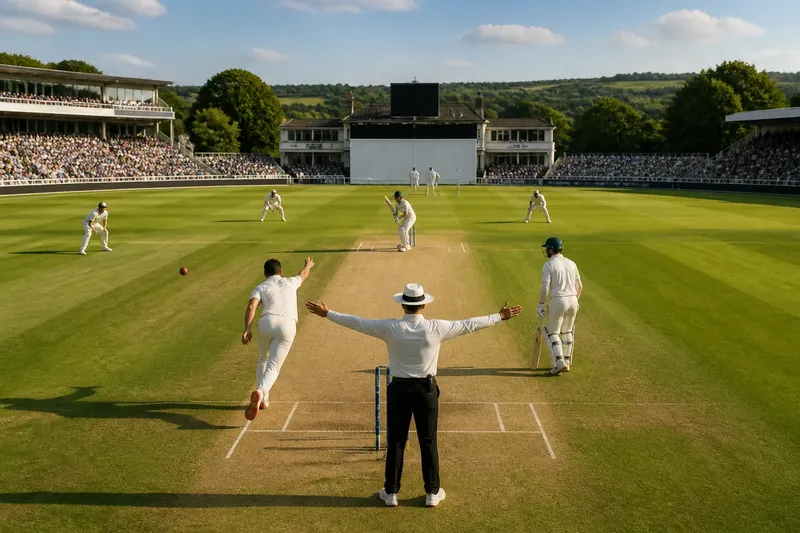
A bowler sends the ball wide of the batter, and the umpire stretches both arms sideways. The score may change, but the over’s ball count does not. An over is built from six legal balls, so the count follows valid deliveries rather than every ball the bowler sends down.
What does “six legal balls” mean?
An over consists of six deliveries that count under the Laws and the match’s playing conditions. After the sixth legal delivery, the umpire signals the end of the over. The field changes ends, and another bowler takes over from the opposite end.
A delivery can count whether it produces runs or not. A dot ball uses one of the six balls. So does a boundary hit from a legal delivery. Runs on the scoreboard and progress toward the end of the over are separate matters.
Which deliveries do not count toward an over?
A wide or no-ball does not count toward the six-ball total. The scoring consequences depend on what happened during the delivery and on the applicable playing conditions, so neither call should be reduced to a simple claim that it always adds the same amount to the total.
- Wide: The umpire judges the ball too far from the batter to be played with a normal cricket stroke, considering the batter’s position and movement. The call is recorded as an extra; other runs may also be involved depending on the play and conditions. The delivery does not count toward the over.
- No-ball: The umpire calls a no-ball for an infringement covered by the Laws or playing conditions. The score and any further runs are recorded according to the applicable rules. The delivery does not count toward the over.
- Legal delivery: If it is not called wide or no-ball, it generally counts, even if the batter leaves, misses, defends, or scores. Other events can affect the ruling, so follow the umpire’s call.
For a specific ruling, check the competition’s playing conditions or consult a qualified umpire. Details can depend on the kind of delivery and the rules in force for that match.
How do extras affect the rhythm of an over?
An extra can change the score without advancing the over’s legal-ball count. After a wide or no-ball, the bowler must deliver again before the over can be completed. That gives the batter another delivery to face and the bowler another chance to execute the plan.
Say you are following an invented match in which the bowler has delivered five legal balls, then bowls a wide. The umpire signals the wide, and the scorekeeper records the call under the match’s rules. The over still has only five legal balls; if the next delivery is legal, it becomes the sixth and completes the over.
How can you keep count while watching?
Watch the umpire’s signal as well as the score display. A wide is signaled with both arms extended horizontally; a no-ball is signaled with one arm held out. The display can help you recover the count, while the signal explains why a delivery may not have advanced it.
- If the umpire gives no wide or no-ball call, then count the delivery as legal; if you cannot see the signal clearly, check the score display before counting it.
- If the umpire signals a wide, then keep the legal-ball count where it is; if the display is unclear, wait for the next ball or score update.
- If the umpire signals a no-ball, then do not advance the legal-ball count; if you are unsure about the score, separate the call from any runs recorded during the play.
- If the batter scores from a delivery without a wide or no-ball call, then count it as a legal ball; if a different call is made, follow that ruling instead.
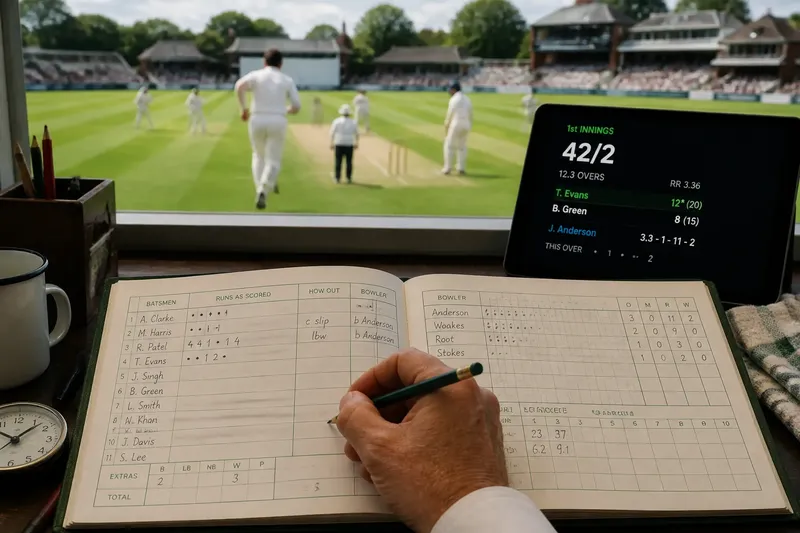
- If you lose track after several extras, then use the over notation on the scorecard to resume; if it is unavailable, wait for the next clearly signaled legal delivery.
- If a displayed total seems inconsistent with the umpire’s call, then treat the official call and score update as separate clues; if the discrepancy remains, consult the competition’s scorecard or an official.
What do viewers often ask about legal balls?
Does a dot ball count as a legal ball?
Yes, provided the umpire does not call a wide or no-ball. A delivery does not need to produce runs to count toward the over.
Does a boundary count toward the six balls?
A boundary from a legal delivery counts as one ball in the over. The boundary affects the score, while the umpire’s ruling determines the ball count.
Can a batter run on a wide or no-ball?
Runs may be added during the play, with the recording depending on the events and applicable conditions. The wide or no-ball delivery itself does not count toward the over.
Does every extra mean the delivery was not legal?
No. Some extras, such as certain byes or leg byes, can be recorded from a delivery that counts toward the over. The extra category and the legal-ball count answer different questions.
Why does the distinction matter?
Keeping the score and ball count separate makes the over easier to follow. If a delivery is called wide or no-ball, the score may change according to the rules, but the bowler still needs six legal deliveries to finish the over.
When you lose count, listen for the umpire’s call and check the over notation on the scorecard. That small habit helps explain why a bowler may deliver more than six balls before the field changes ends.