The Fixed Field Myth: Why Positions Move
The fixed field myth makes cricket harder to read. Learn how captains move fielders for the batter, bowler and match moment, and choose what to watch.
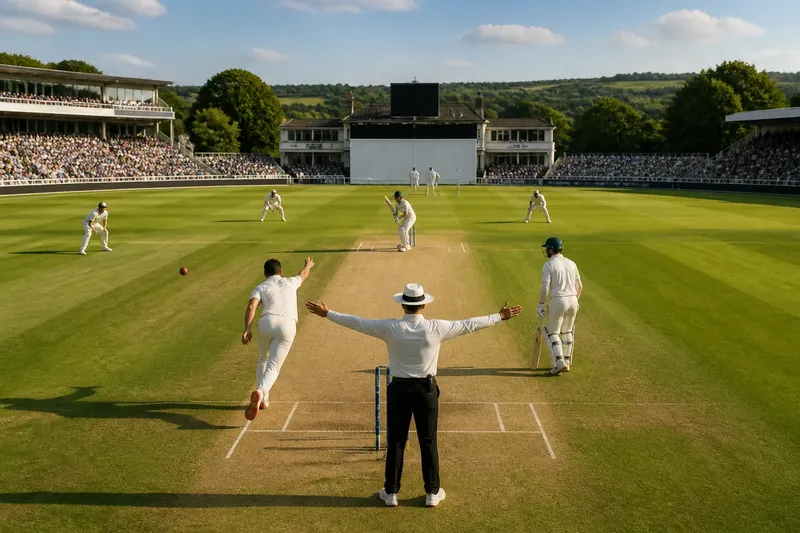
A batter leans back to cut, and the captain shifts a fielder from the boundary to a catching spot behind point. A few balls later, that same fielder is guarding the rope again. The fixed field myth—that each player has a permanent place—makes this look like random shuffling. In cricket, positions are working choices, adjusted to the bowler, the batter and the moment.
Think of the field as a plan for managing likely outcomes. A captain may want to make a scoring shot harder, create a chance of a catch, or protect a boundary. Those aims can pull the field in different directions. Watching the choices, rather than trying to memorize a rigid map, makes the tactical story easier to follow.
Why aren’t fielding positions permanent?
A position name describes where a fielder is standing in relation to the batter and pitch; it does not assign that place to one player for an entire match. A captain can move a fielder between deliveries, and sometimes reposition several players as the bowling plan changes. The role is temporary: cover a likely shot, guard an area, or offer a catching chance.
Some names do point to familiar zones. Slip stands beside the wicketkeeper on the off side, while midwicket is on the leg side nearer the pitch than the boundary. But even a fielder stationed at slip might move to another position later, and the captain may use a different player there. The name helps describe the map, not a permanent job title.
The batter’s stance gives the captain useful clues. A right-handed batter’s off side is to the batter’s right as they face the bowler; for a left-hander, it is to the batter’s left. That changes the field’s orientation. A captain also watches what the batter appears ready to attempt and how much risk the match situation invites. A position suited to one batter may leave a gap against another.
What does the bowler want the field to do?
A field should make sense beside the delivery the bowler is trying to produce. A quick bowler aiming for the batter’s outside edge may have slips waiting behind the bat. If the plan instead tempts a drive through the off side, a fielder near cover can cut off that route, while a slip may remain in place for an edge. The exact arrangement depends on the captain’s preferred balance between stopping runs and taking a wicket.
A slower bowler might invite a batter to hit toward the leg side, with fielders positioned to meet that shot or catch a lofted ball. Alternatively, the captain may protect an area where the batter has been scoring freely. The field does not tell you exactly what the next ball will do; it shows which risks the team is willing to accept and which outcomes it hopes to encourage.
Watch how bowler and captain respond to each other. A bowler may ask for a fielder moved closer, or a captain may adjust the plan after seeing the batter repeatedly reach a certain area. That exchange is part of the tactics. The same bowler can work with different fields against different batters or as the innings situation changes.
Should the captain attack or protect the boundary?
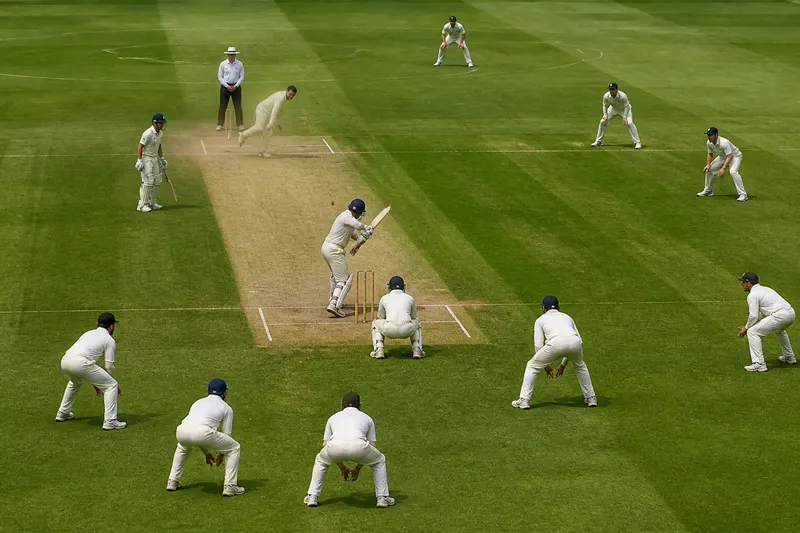
One useful way to read a field is to compare two broad approaches: an attacking field and a defensive, or run-protecting, field. These are not fixed formations. A captain can combine them, leaving a few catchers in place while protecting the boundary in the batter’s favored scoring zone.
An attacking field places more players close enough to the bat or in likely catching areas. It may suit a captain seeking a wicket, especially when the bowler is generating chances or the match calls for a breakthrough. The trade-off is that open spaces may offer the batter easier runs if the ball passes the catchers.
A more defensive field uses players to limit scoring routes, often with more attention to the boundary. It can suit a captain trying to contain a batter who is timing the ball well, or to manage a phase when reducing easy runs matters more than creating an immediate chance. The trade-off is that fewer close catchers may be available if the batter makes a mistake.
Neither approach belongs to one format or one stage of an innings. A captain may switch between them from one over to the next, or even make a small change for a particular batter. If you are deciding what to watch, start with the captain’s apparent priority: are players being placed to catch, or to close down scoring areas? Then check whether the bowler’s delivery plan seems to support that choice.
How does the match moment change the field?
The score, time remaining, wickets in hand and required pace of scoring all affect a captain’s choices. When a batting side needs to score quickly, it may accept risk and target open spaces. The fielding side can respond by guarding likely boundaries, while still keeping a catcher where an aggressive shot might travel. When the batting side is trying to preserve wickets, a captain may look for a way to draw a safer batter into a riskier shot.
Conditions and the state of the pitch can also matter. If the ball is moving in the air or off the surface, a captain may value catching positions. If batters are finding it easy to hit through a particular area, the field may shift to block it. These are clues, not promises: a captain’s plan may be sensible and still be beaten by a good shot.
Imagine a right-handed batter has twice driven the ball through cover, and the bowler is about to deliver again. The captain moves a fielder from a less-used leg-side spot into cover, leaving a different area less protected. If the batter tries the same drive, the fielder may cut off the run or create a catching chance; if the batter chooses another shot, the newly open area may become the target. The visible result to watch is whether the batter changes the shot or keeps testing the captain’s adjustment.
Which field should you watch first?
There are three helpful ways to follow a field change. Each suits a different kind of viewer; none requires learning every position name before the match can make sense.
- Track the bowler’s plan. Notice where the bowler seems to be aiming and whether nearby fielders are ready for an edge, a drive or a pull. This suits viewers who want to connect a delivery with its intended outcome.
- Track the batter’s scoring areas. Look for where the batter has been finding runs, then see if the captain adds a fielder there. This suits viewers who prefer to follow one contest and its adjustments.
- Track the captain’s trade-off. Look for the area left open when a fielder moves. This suits viewers who want to understand why a placement might invite one shot while discouraging another.
For a first watch, choose one approach and follow it for a few overs. You do not need to identify every position immediately. A simple observation—“the captain has added a catcher behind the batter” or “the boundary is protected on the leg side”—is enough to form a useful question: what shot or outcome is this field designed to meet?
What should you look for when a fielder moves?
These questions help turn a field change into a readable tactical clue.
Why did the captain move that fielder?
Look at the last few scoring shots and the bowler’s apparent line. The move may target a favored shot, cover a gap, or add a catching option.
Which area is now less protected?
Every move changes the shape of the field. The newly open area may be a calculated risk, especially if reaching it requires the batter to play a more difficult shot.
Does the batter change the shot?
Watch the next delivery or two for a response. The batter might avoid a covered area, target the gap, or keep playing the same shot to challenge the adjustment.
Does the captain keep the change?
If the fielder stays put, the captain may be satisfied with the new balance. If the player moves again, the first arrangement may not have matched the bowler’s plan or the batter’s response.
How do you choose what to follow?
If position names still feel unfamiliar, follow the captain’s movement rather than memorizing a diagram. If you know a few names, use them to describe the change, then ask what it protects or invites. If you already understand the basic map, compare the field with the bowler’s intended delivery and the batter’s recent choices.
The fixed field myth fades once you treat each placement as a decision made for a particular matchup and moment. For a clear starting point, follow one fielder as they move, then note what area their new position protects and what space it leaves behind. That small habit makes the shifting field—and the contest between captain, bowler and batter—much easier to read.